


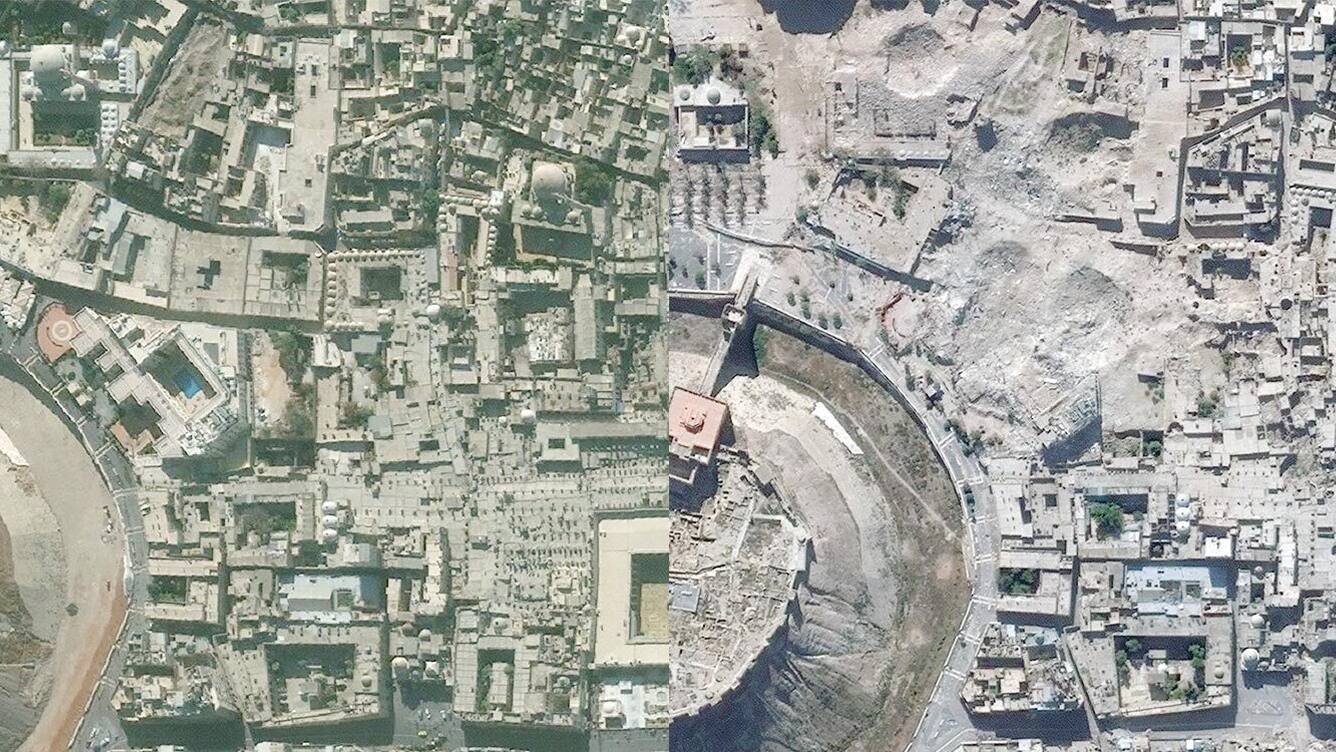
In the aftermath of conflict, societies face a long and complicated road toward healing. Physical reconstruction is often the most visible step—bridges, homes, roads, schools. But alongside material rebuilding lies a quieter, equally vital form of recovery: the restoration of cultural identity. In post-conflict regions around the world, publishing—whether through books, magazines, journalism, academic research, or digital media—becomes a profound tool not only for expression, but for reimagining the future. Words offer a space where trauma can be acknowledged, history can be reclaimed, and new narratives of belonging can be woven.
Publishing in such contexts is never a neutral act. It happens in a landscape shaped by loss, division, and long-suppressed voices yearning for recognition. Yet it is precisely this charged environment that makes printed and digital texts so powerful. Through storytelling, documentation, preservation, and innovation, publishing helps rebuild the cultural fabric that conflict attempted to tear apart. It becomes a foundation for collective memory, national conversation, and the re-emergence of cultural confidence.
The Power of Narratives After Conflict
Every conflict rewrites history in its own way. Some voices are silenced; others are distorted; many simply disappear. Publishing offers communities the chance to reclaim their narratives. Memoirs of survivors, collections of oral histories, children’s books that gently introduce difficult truths, or academic analyses of the causes and consequences of war—all become crucial parts of the public record.
In post-conflict societies, the creation and distribution of knowledge serve as acts of resilience. They allow individuals and groups to assert: “We are still here. Our stories matter.”
Writers, journalists, poets, and researchers help trace the contours of trauma. They articulate grief, document injustices, and explore the human dimensions of conflict that politics alone cannot capture. Just as importantly, they highlight acts of courage, solidarity, and hope, reminding societies of their capacity for endurance.
Conflict often fragments communities, creating parallel truths and competing versions of reality. Publishing provides a shared platform where these narratives can coexist, challenge one another, or converge. Over time, this plurality contributes to a more nuanced, inclusive understanding of history—something every recovering society desperately needs.
Books as Vessels of Memory and Healing
Memory preservation is one of the most significant roles publishing plays in the aftermath of conflict. Testimonies of survivors, archival photo books, ethnographic studies, and literature that explores the emotional landscape of war all serve as repositories of collective memory.
Documenting history is not just about accuracy; it is about healing. When painful experiences are written, read, and acknowledged, they can be integrated into the shared consciousness rather than remaining buried in silence. This is particularly important for communities whose identities have been targeted or erased through violence. Publishing becomes a way to reclaim what was lost—languages, traditions, rituals, and beliefs.
For younger generations, these publications bridge the gap between past and present. They offer context, explanation, and emotional grounding. They help prevent historical amnesia, ensuring that lessons learned at a painful cost are not forgotten.
In post-conflict educational reform, books often serve as the first building blocks of a more inclusive civic curriculum. Updated textbooks correct previous distortions. Storybooks introduce themes of tolerance and empathy. Literature classes encourage critical thinking and emotional reflection. These small interventions contribute to long-term peacebuilding.
The Rebirth of the Literary Scene
Conflict disrupts cultural production. Printing presses close, bookstores are destroyed, paper becomes scarce, and authors often flee or face censorship. When calm returns, the literary scene is not simply revived—it is reinvented.
Post-conflict regions frequently experience an artistic renaissance. Writers push boundaries, experiment with new forms, and explore themes that were once suppressed. Literary festivals reappear, often with a renewed mission to foster dialogue across social and political divides. Independent publishing houses emerge with bold editorial visions, determined to amplify marginalized voices.
These movements are not purely artistic—they are profoundly social. New literary ecosystems help rebuild public trust, stimulate debate, and encourage diverse perspectives. They bring together communities that conflict attempted to fragment, inviting them into shared spaces of imagination and reflection.
Importantly, publishing in such contexts is also a form of cultural diplomacy. Translations help local stories reach global audiences. International recognition—through prizes, academic collaborations, or festival invitations—validates the experiences of communities that often felt unseen or misunderstood during conflict. The literary voice becomes a soft power capable of reshaping a nation’s image.
Challenges Facing Publishers in Post-Conflict Regions
Despite the transformative potential of publishing, the sector faces significant challenges in post-conflict environments:
1. Limited Infrastructure
Printing facilities may be damaged or destroyed. Transportation networks may be unreliable. Bookstores and libraries may have collapsed. Rebuilding these infrastructures takes time, investment, and political will.
2. Economic Constraints
Post-conflict economies are fragile, with limited funding for culture. Publishing is often seen as secondary to more urgent needs. Publishers struggle with high costs of materials, shrinking readerships, and minimal government support.
3. Censorship and Political Sensitivities
Even after conflict ends, political tensions often persist. Governments may regulate narratives, censor dissenting voices, or restrict historical reinterpretation. Publishers must navigate these pressures carefully, balancing truth-telling with safety.
4. Trauma Among Writers and Audiences
For many authors, revisiting conflict through writing can be emotionally exhausting. Communities may also resist confronting painful truths, leading to limited demand for certain types of content.
5. Digital Divide
While digital publishing provides new opportunities, not all regions have reliable internet access, especially in rural or heavily damaged areas. This divide affects both authors and readers.
6. Competition with Global Content
Local publishers must compete with the influx of global media, which can overshadow emerging voices. To thrive, post-conflict publishing ecosystems must carve out distinct identities and strategies.
Despite these obstacles, the resilience of writers, editors, and cultural organizations often leads to innovative solutions. In many regions, cross-border collaborations, NGO support, and diaspora involvement play crucial roles in reviving publishing.
Innovations Driving Post-Conflict Publishing
The last two decades have shown how creativity can flourish under pressure. Some of the most impactful innovations in post-conflict publishing include:
Community Publishing Projects
Grassroots programs where local people—students, farmers, elders—record their own stories. These projects build empathy, preserve oral heritage, and reinforce community pride.
Digital Storytelling Platforms
Online magazines, podcasts, and e-book series have democratized publishing. They enable rapid dissemination of stories even where physical infrastructure remains weak.
Hybrid Cultural Centers
Spaces merging libraries, cafes, art venues, and publishing workshops, designed to rebuild social interaction and stimulate creative expression.
Diaspora Publishing Networks
Members of displaced communities often create publishing houses abroad dedicated to amplifying stories from their homeland, influencing international understanding and contributing to cultural preservation.
Educational Publishing Reform
New textbooks, multilingual materials, and inclusive curricula support peace education, counter prejudices, and empower youth as critical thinkers.
Toward a Shared Cultural Future
Publishing in post-conflict regions is not merely about producing books. It is about reconstructing identity, healing wounds, and building a future rooted in understanding rather than division. Words give shape to memories and open pathways toward reconciliation. They allow communities to reclaim agency after periods of profound disempowerment.
Ultimately, the act of publishing is an act of hope. It asserts that the past can be confronted, the present can be documented, and the future can be imagined. It celebrates human resilience in places where silence once dominated. And most importantly, it gives individuals and societies the tools to rebuild—not only their infrastructure, but their sense of who they are.
In every post-conflict region, publishing becomes much more than a cultural industry. It becomes a lifeline connecting people to their history, their dreams, and to each other. It is through words that a new chapter of collective identity begins.