


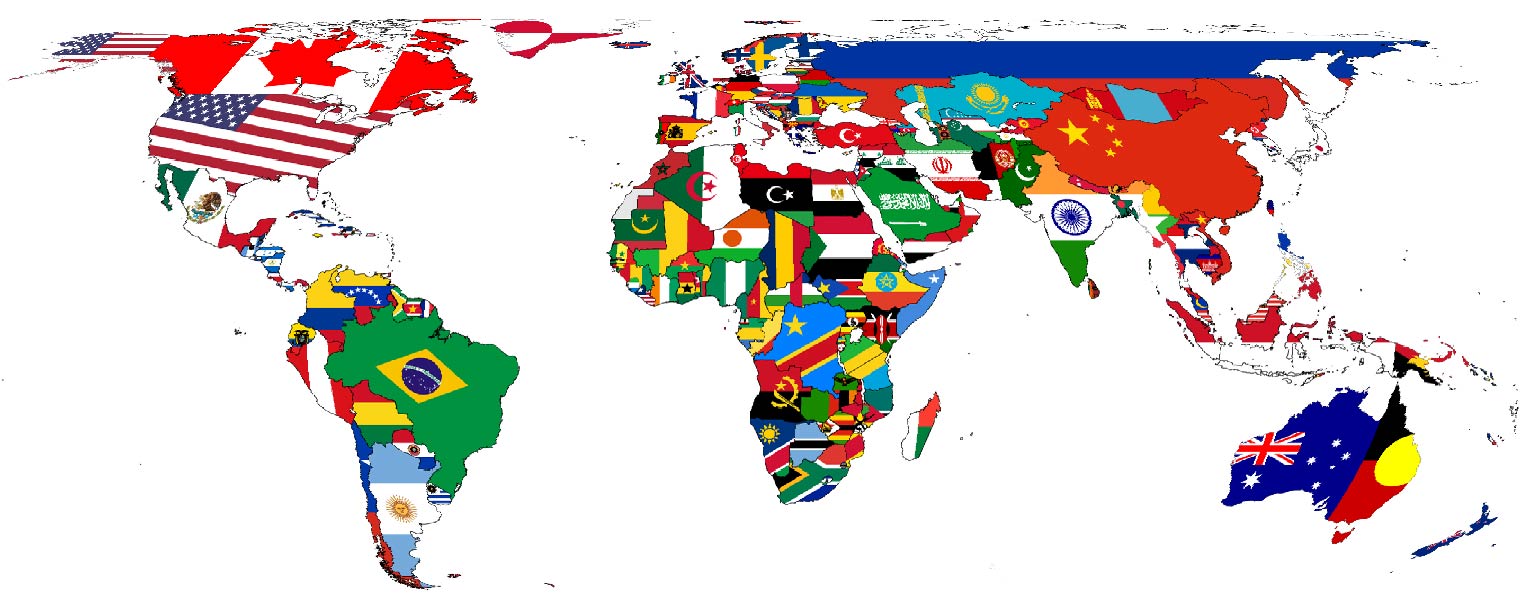
At first glance, stories seem deeply tied to the places they come from. A novel set in Tokyo carries the rhythms of Japanese life; a film from Italy reflects Mediterranean warmth and social dynamics; a folktale from Armenia echoes mountain landscapes and ancient traditions. Yet, despite these cultural differences, readers and audiences across the world often experience a strange sense of familiarity. A love story written in France resonates in India. A coming-of-age tale from the United States feels deeply personal to someone in Brazil. A centuries-old myth from Greece still mirrors the emotional struggles of a modern reader in Singapore.
Why does this happen? Why do some stories feel universal, almost as if they belong to everyone, regardless of language, geography, or history?
The answer lies in a complex interplay of human psychology, shared experiences, narrative structures, and the deep-rooted patterns through which people across cultures make sense of the world.
The Universality of Human Emotions
At the heart of every story are emotions—and emotions are one of the most universal aspects of being human. Love, fear, jealousy, ambition, grief, hope—these are not culturally bound experiences. While the ways they are expressed may vary, the feelings themselves are instantly recognizable.
A mother’s fear for her child, a young person’s desire to find their place in the world, the pain of betrayal, the joy of reunion—these emotional experiences transcend borders. When a story captures these feelings authentically, it becomes accessible to anyone who has ever felt something similar.
This is why a reader in one country can deeply connect with a character from a completely different cultural background. The setting may be unfamiliar, but the emotional journey is not.
Shared Life Milestones
Across cultures, human life tends to follow a series of recognizable stages: birth, childhood, adolescence, adulthood, relationships, loss, and death. These milestones create a shared framework of experience.
Stories often revolve around these transitions:
-
The journey from innocence to experience
-
The search for identity
-
The struggle for independence
-
The formation and loss of relationships
-
The confrontation with mortality
These themes appear again and again because they reflect the fundamental structure of human life. A coming-of-age story in Nigeria may look different on the surface from one in Sweden, but the internal conflict—Who am I? Where do I belong?—remains the same.
Archetypes and Collective Memory
Many stories feel similar because they draw from a set of recurring character types and narrative patterns often referred to as archetypes. These include:
-
The Hero
-
The Mentor
-
The Trickster
-
The Villain
-
The Innocent
-
The Rebel
These archetypes appear in myths, folklore, literature, and modern media across cultures. They seem to tap into what psychologist Carl Jung described as the “collective unconscious”—a shared reservoir of human experience and symbolic understanding.
For example, the hero’s journey—a narrative pattern in which a protagonist leaves home, faces trials, and returns transformed—can be found in ancient epics, religious texts, and contemporary films. Whether it’s a warrior in a medieval legend or a teenager in a modern city, the structure remains recognizable.
This repetition creates a sense of familiarity. Even when the details change, the underlying pattern feels known.
Conflict as a Universal Engine
Stories are driven by conflict, and the types of conflict that resonate most strongly are often universal:
-
Individual vs. self (internal struggle)
-
Individual vs. society
-
Individual vs. nature
-
Individual vs. fate
These conflicts reflect the fundamental tensions of human existence. Every person, regardless of where they live, has experienced some version of these struggles.
A character fighting against societal expectations in one country mirrors similar battles elsewhere. A story about resisting injustice speaks across borders because the desire for fairness and dignity is universal.
Cultural Differences, Shared Meanings
While stories may feel similar at their core, cultural context still plays a crucial role. The same theme can be expressed in vastly different ways depending on cultural norms, values, and traditions.
For instance, a story about love may emphasize individual choice in one culture and family approval in another. A tale of success might focus on personal achievement in one society and collective well-being in another.
Yet even here, the underlying themes—love, belonging, ambition—remain constant. The surface changes, but the essence does not.
This balance between difference and similarity is what makes cross-cultural storytelling so powerful. It allows audiences to both recognize themselves and discover something new.
The Role of Storytelling Traditions
Long before globalization, stories traveled across borders through trade, migration, and oral traditions. Tales were adapted, translated, and reshaped as they moved from one culture to another.
Over time, this exchange created a web of shared narratives. Many folktales, for example, exist in multiple versions across different countries. The details may vary, but the core story remains intact.
This historical interconnectedness means that what feels like a “local” story may already carry influences from far beyond its place of origin.
Modern Media and Globalization
In today’s world, stories travel faster and farther than ever before. Films, books, television series, and digital content are consumed globally, exposing audiences to narratives from different cultures.
This constant exchange reinforces shared storytelling patterns. Writers and creators are influenced not only by their own traditions but also by global trends.
As a result, stories increasingly blend local specificity with universal appeal. A film may be deeply rooted in one culture while still following a narrative structure familiar to international audiences.
Language and Translation
Translation plays a crucial role in making stories feel universal. A skilled translation does more than convert words—it captures tone, emotion, and meaning.
When done well, it allows readers to experience a story as if it were written in their own language. The cultural nuances may still be present, but they become accessible rather than alienating.
This process helps bridge gaps between cultures and highlights the shared human experiences at the heart of storytelling.
The Comfort of Familiarity
There is also a psychological reason why similar stories resonate: familiarity is comforting. Recognizing patterns helps people make sense of new information.
When a story follows a structure we subconsciously understand, it becomes easier to engage with. We anticipate certain developments, empathize with characters more quickly, and feel a sense of satisfaction when expectations are fulfilled—or meaningfully subverted.
This does not mean that all stories are identical. Rather, they operate within a framework that feels intuitively right.
Diversity Within Universality
It is important to note that while many stories share common elements, they are not interchangeable. Cultural specificity adds richness and depth, offering unique perspectives on universal themes.
A story set in a small Armenian village, a bustling Indian city, or a Scandinavian landscape each brings its own textures, values, and worldview. These differences are not obstacles—they are what make storytelling vibrant and meaningful.
The universality of stories does not erase diversity; it coexists with it. It allows people to connect across differences while still appreciating what makes each culture unique.
Why It Matters
Understanding why stories feel the same across countries reveals something fundamental about humanity. Despite differences in language, tradition, and environment, people share a common emotional and psychological core.
Stories are one of the most powerful ways this shared humanity is expressed. They remind us that:
-
Our struggles are not isolated
-
Our emotions are understood
-
Our experiences are part of a larger human story
In a world often divided by borders and identities, this realization has profound significance. It fosters empathy, curiosity, and a sense of connection.
Conclusion
Some stories feel the same across different countries not because cultures lack originality, but because they are rooted in something deeper than cultural difference: the human experience itself.
Through shared emotions, life stages, archetypes, and conflicts, stories tap into patterns that transcend geography. They allow people to see themselves in others, to recognize familiar feelings in unfamiliar settings, and to connect across distances both physical and cultural.
At the same time, each story carries the imprint of its origin, offering a unique lens through which universal themes are explored.
This delicate balance—between the universal and the particular—is what gives storytelling its enduring power. It is why a story from anywhere can feel like it belongs everywhere.